
This is an old revision of the document!
Table of Contents
Sacred Places Near Duncan, BC
A guide to the sacred lands, waters, and mountains around Duncan - their names, stories, and how to visit them.
Somenos Lake (S'amunu)
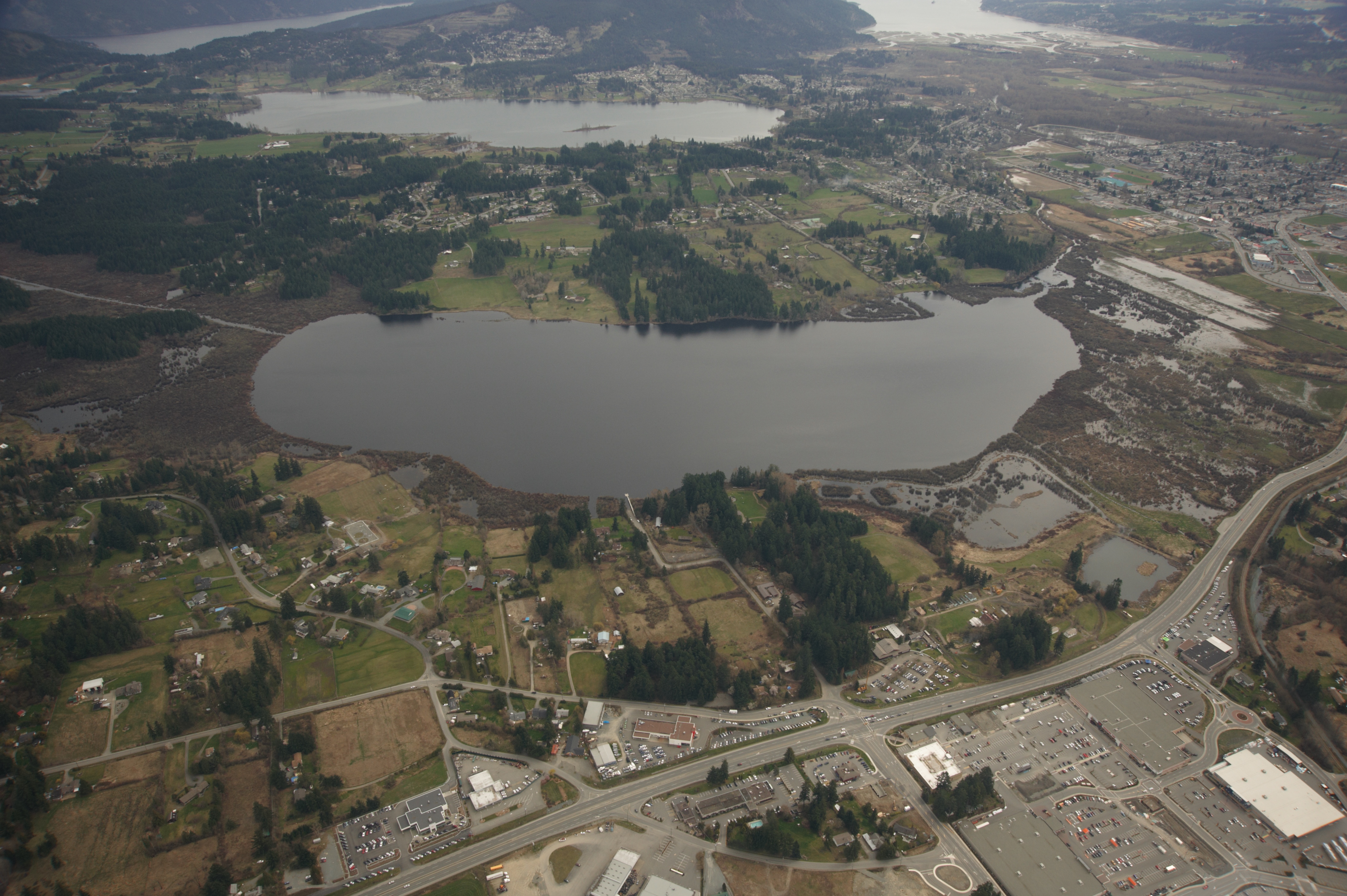
S'amunu means either “place of the marsh” or “resting place”-a calm, low-lying area where travelers through the Cowichan Valley would stop. The marshlands around Somenos are home to a critical Great Blue Heron conservation area.
| Distance from Downtown Duncan | Route | Directions |
|---|---|---|
| ~3 km north | Highway 1 / Beverly St | Drive to Somenos Marsh Conservation Area |
Nearby: Somenos Marsh Wildlife Viewing Platform, numerous walking trails through the wetlands, and the S'amunu (Somenos) Big House.
Quamichan Lake (Kwa'mutsun)
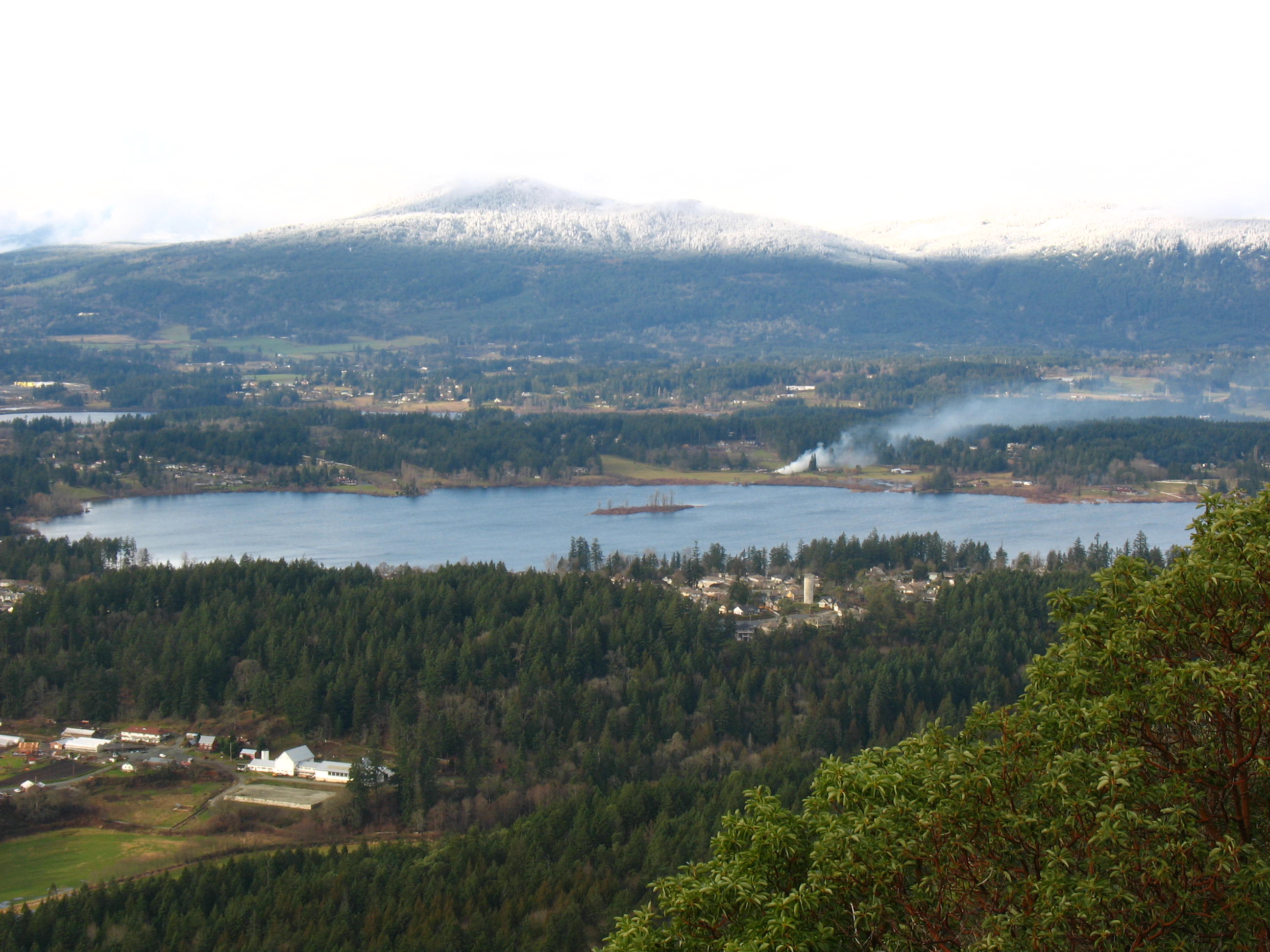
Kwa'mutsun means “hump on the back”-referring to how Mount Tzouhalem appears from a distance across the lake. This lake is of immense cultural importance to the Cowichan people and is also where Rowing Canada Aviron trains its national team at the National Training Centre.
| Distance from Downtown Duncan | Route | Directions |
|---|---|---|
| ~2 km east | Tzouhalem Road | Drive to Quamichan Lake boat launch |
Nearby: Art Mann Park (public access), walking trails, and several Cowichan Tribes historical village sites.
Chemainus (Stz'uminus)
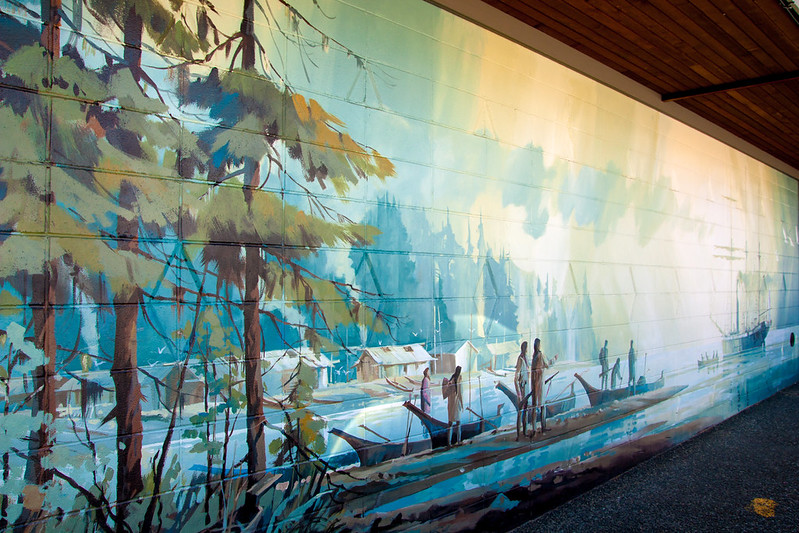
Stz'uminus means “broken chest”-from the legend where the First Ancestor, Stutsun, plummeted into the earth and indented his chest. Today Chemainus is famous as the “Mural Town” with over 40 large-scale murals depicting local history, including the history of the Stz'uminus people.
| Distance from Downtown Duncan | Route | Directions |
|---|---|---|
| ~20 km north | Highway 1 | Drive to Chemainus Mural District |
Nearby: Chemainus Theatre, mural walking tour, waterfront park, and local artisan shops.
Etymology note: The Stz'uminus First Nation maintains a strong cultural presence in the northern part of the Cowichan Valley.
Mount Tzouhalem (Ts'uwxilum)

Ts'uwxilum likely derives from words meaning “storm” or “thunder”-the weather under which Chief Tzouhalem was born. He was a legendary warrior who defended the area at the Battle of Maple Bay. The mountain offers a 2–4 hour round-trip hike with views of the entire valley and the Salish Sea.
| Distance from Downtown Duncan | Route | Directions |
|---|---|---|
| ~6 km southeast | Tzouhalem Road / Kaspa Rd | Drive to Kaspa Road Trailhead |
Nearby: The Cross (viewpoint), Holmes Peak, and world-class mountain biking routes.
Mount Prevost (Swuq'us)
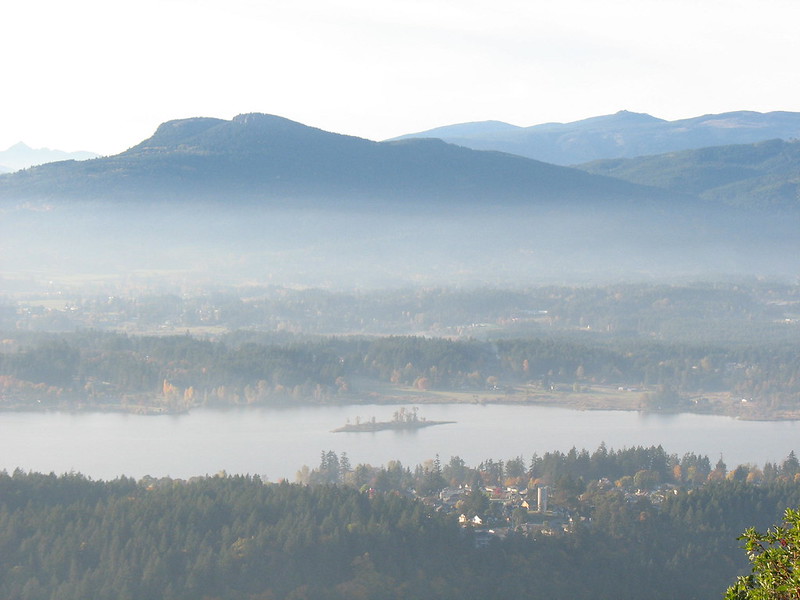
Swuq'us means “crooked neck”-named for the woolly dog who emerged from a dark cave after hearing Stutsun's desperate cries to the Creator for companionship. Woolly dogs were bred for their thick white fur used to weave sacred blankets. The peak is identifiable by two distinct rock bluffs.
| Distance from Downtown Duncan | Route | Directions |
|---|---|---|
| ~12 km west | Somenos Road to Mt Prevost Rd | Drive to Mount Prevost summit viewpoint |
Nearby: Memorial Cairn at the summit, world-class downhill mountain biking, and hang-gliding launch sites.
Malahat (MÁLEXEŁ)

MÁLEXEŁ means “land of the caterpillars”-for their historical abundance on Garry Oak trees. This sacred mountain range is also known as YOS (the rainmaker). It was believed that pointing at the mountain would bring rain. The summit is the highest point of Highway 1 between Duncan and Victoria.
| Distance from Downtown Duncan | Route | Directions |
|---|---|---|
| ~25 km south | Highway 1 (Southbound) | Drive to Malahat Summit viewpoint |
Nearby: Malahat SkyWalk, Malahat Nation cultural office, and Spectacle Lake Provincial Park.
Clemclemaluts (Lhumlhumuluts')
Lhumlhumuluts' means “land of the mallards”-named for the abundance of ducks in the estuary. This is one of the historic “Seven Traditional Villages” of the Cowichan. It is located where the Cowichan River meets the sea in Cowichan Bay.
| Distance from Downtown Duncan | Route | Directions |
|---|---|---|
| ~6 km southeast | Cowichan Bay Road | Drive to Cowichan Bay Village |
Nearby: Cowichan Bay Maritime Centre, Hecate Park, and various local seafood markets.
Comiaken (Qwum'yiqun')

Qwum'yiqun' means “land of the people turned to stone”-referring to the large boulders scattered across the hillside. In the Time of Transformation (Sxwōxwiyám), the Transformers (“Xeuls”) visited this land to set things right. Those who lived in disharmony were turned into boulders to serve as a permanent lesson.
| Distance from Downtown Duncan | Route | Directions |
|---|---|---|
| ~5 km southeast | Comiaken Road | Drive to Comiaken Hill (Butter Church) |
The Stone “Butter Church”: Built in 1870 by Father Pierre Rondeault. He sold butter from his dairy farm to pay for the church’s construction, as the local people would not accept money for building a house of God. It is a hauntingly beautiful ruins site today on a hill overlooking the valley.
Cultural note: These transformation stories are central to the Snuw'uyulh (Traditional Laws/Teachings) of the Cowichan people, emphasizing that the landscape itself is a living record of history.
Related Transformer Story: Siwash Rock
The Comiaken transformation stones connect to similar stories throughout Coast Salish territory. At Stanley Park in Vancouver, Siwash Rock (Slhxí7lsh, “standing man”) tells another transformer tale-but this one about reward rather than punishment.
Chief Skalsh performed kw'as (cold sea bathing) to ensure his spiritual cleanliness for his unborn child. The Transformers commanded him to move, but he refused to break his ritual for his family's future. Because of his selfless dedication, he was immortalized in stone as a monument to “cleanliness of heart and fatherly love.”
Read more: Siwash Rock (Wikipedia)
Resources & Further Reading


